
Dubai continues to be one of the world’s most popular destinations for expats, offering tax-free income, world-class infrastructure, and a multicultural lifestyle. If you’re planning to migrate to Dubai, here’s everything you need to know — updated for 2025.
Who Can Migrate to Dubai?
Regardless of your nationality, you will need a visa or work permit to live and work in Dubai. The right visa depends on your purpose — whether you’re moving for employment, business, study, retirement, or family reunification.
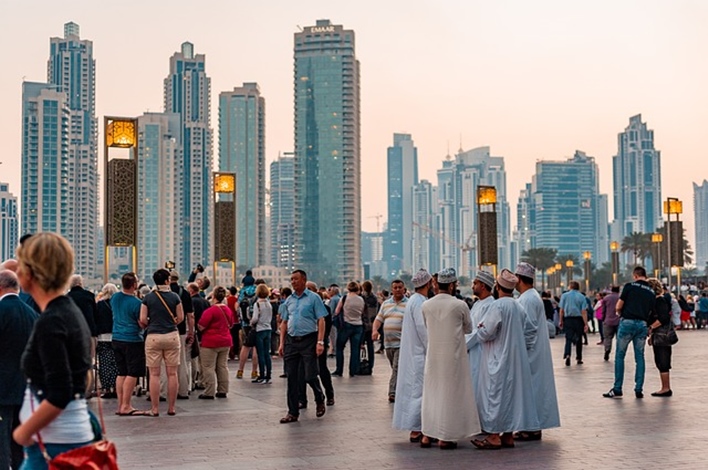
Expat Population in the UAE — 2024/2025
| Nationality | Estimated Population (millions) | % of Total UAE Population | Notes |
|---|---|---|---|
| 🇮🇳 Indian | 4.75 | 39.5% | Largest expat group; strong presence in IT, healthcare & business |
| 🇵🇰 Pakistani | 2.09 | 17.4% | Second largest group |
| 🇧🇩 Bangladeshi | 0.92 | 7.6% | Primarily in construction & labour sectors |
| 🇵🇭 Filipino | 0.86 | 7.1% | Concentrated in hospitality & healthcare |
| 🇮🇷 Iranian | 0.54 | 4.5% | |
| 🇪🇬 Egyptian | 0.48 | 4% | |
| 🇳🇵 Nepali | 0.36 | 3% | |
| 🇱🇰 Sri Lankan | 0.36 | 3% | |
| 🇨🇳 Chinese | 0.24 | 2% | Growing business community |
| 🇦🇪 UAE Nationals (Emiratis) | 1.44 | 12% | Only ~11.5% of total population |
| 🌍 Total UAE Population | 12.04 | 100% | ~200 nationalities represented |
Total expat population in the UAE stands at approximately 11.06 million as of 2024, with expats constituting around 88.5% of the total population, while Emiratis make up 11.5%. Indians are the largest expatriate group at 4.75 million, a significant rise from 3.5 million in 2021, with a strong presence in healthcare, IT, and business. The UAE is home to over 200 nationalities, making it one of the most diverse countries in the world.
Dubai Visa Options in 2025
Dubai’s visa system underwent major reforms in 2025, adding entirely new categories and expanding existing ones.
Employment Visa
To obtain a work visa, you need to secure a job offer from a UAE-based employer, who will sponsor your visa. The process typically requires a valid passport, medical tests, and an employment contract.
Green Visa
The Green Visa enables self-employed or highly skilled expats to legally reside in Dubai without requiring sponsorship from an Emirati employer. It is valid for 5 years and includes a six-month grace period after the expiry or cancellation of your visa.
Golden Visa
The Golden Visa allows specific categories of foreign nationals — such as investors, entrepreneurs, doctors, and inventors — to live, work, and study in Dubai without needing a local sponsor. It is valid for a renewable period of 5–10 years. In 2025, eligibility expanded to include exceptional educators, nurses who have served with Dubai Health for over 15 years, and social media content creators through the Creators HQ programme.
Blue Visa (New 2025)
The Blue Residency Visa is a first-of-its-kind 10-year visa aimed at individuals making exceptional contributions to environmental protection and sustainability, including scientists, researchers, innovators, and sustainability professionals.
Virtual Work Visa
The Virtual Working Programme is for remote professionals who continue employment with a non-UAE employer. This visa is valid for one year and is renewable, provided applicants earn at least AED 18,400 per month.
New 2025 Visit Visa Categories
Four new visit visa categories were introduced in 2025:
- Artificial Intelligence specialists
- Entertainment professionals
- Conference delegates
- High-end cruise or yacht tourists
Tourist Visas
The UAE issues multiple-entry tourist visas valid for five years, allowing several trips without needing a guarantor or host in the UAE. Visitors can choose between 30-day, 60-day, or 90-day single-entry options.
Step-by-Step: How to Migrate to Dubai
Step 1 — Choose your visa category
Review the visa types above and determine which best fits your situation — employment, investment, freelance, retirement, or family.
Step 2 — Secure a job offer or sponsorship (if applicable)
Employment visas are issued to individuals with confirmed job offers, requiring sponsorship by an employer in Dubai.
Step 3 — Gather your documents
Key documents include a valid passport with at least six months’ validity, a visa application form, a job offer or sponsorship letter, passport-sized photographs, educational certificates, a medical fitness certificate, and proof of financial means.
Step 4 — Apply for your visa
Visa applications are submitted through the immigration authorities or via a sponsor. The process typically includes a mandatory medical examination for long-term visas, obtaining an Emirates ID, and final validation of the visa and residence permit.
Step 5 — Settle traffic fines before renewal
Residents must settle any outstanding traffic fines before completing visa renewal or issuance procedures.
Step 6 — Apply for your Emirates ID
Once in Dubai, apply for your Emirates ID and a local bank account, get a local phone number and internet service, and finalise your accommodation.
Indian Nationals: Visa on Arrival Update
From February 2025, Indian nationals holding valid residence permits from Australia, Canada, Japan, New Zealand, South Korea, and Singapore are now eligible for a UAE visa on arrival — in addition to those already holding valid permits from the US, UK, or EU.
Cost of Living in Dubai
While Dubai offers tax-free income, the cost of living — especially housing, schooling, and transportation — can be high for expats. Planning your finances before relocating is strongly recommended.
Final Tips Before You Move
- Expats moving to Dubai need two essentials: a valid residence visa and proof of health insurance coverage — both can be applied for online before relocating.
- When working in the UAE, you won’t pay any income tax, but there is a 5% VAT on goods and services.
- Always check the official UAE government portal (u.ae) for the most current visa fees and requirements before applying.
- Ensure your passport has at least 6 months’ validity before you begin your application.