Germany

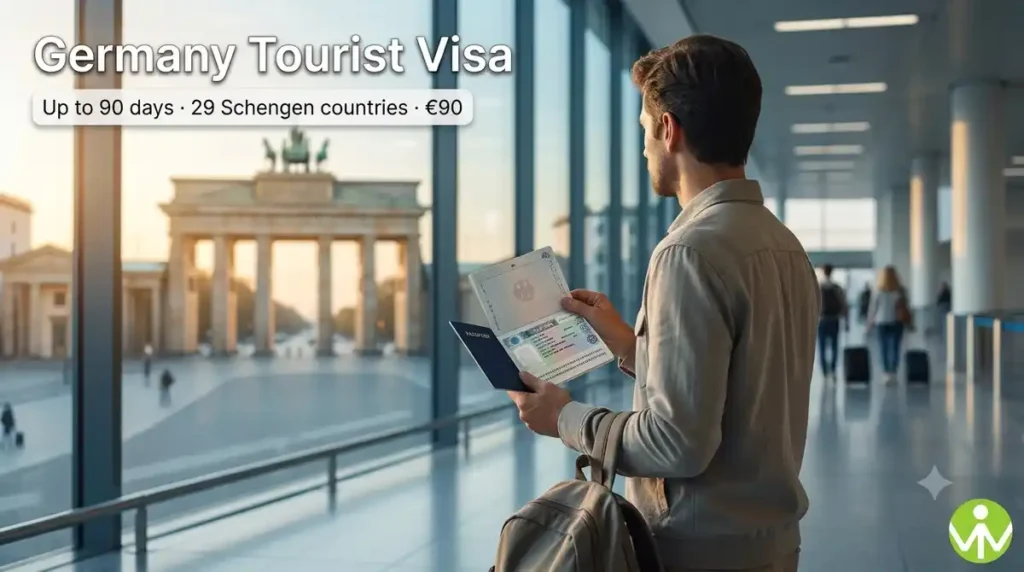
Germany immigration in 2026 is built around skilled work. Visits of up to 90 days in any 180 fall under the Schengen rules, but anyone coming to work, study or join family needs a German national visa before travel, then a residence permit from the local foreigners’ office (Ausländerbehörde) after arrival.

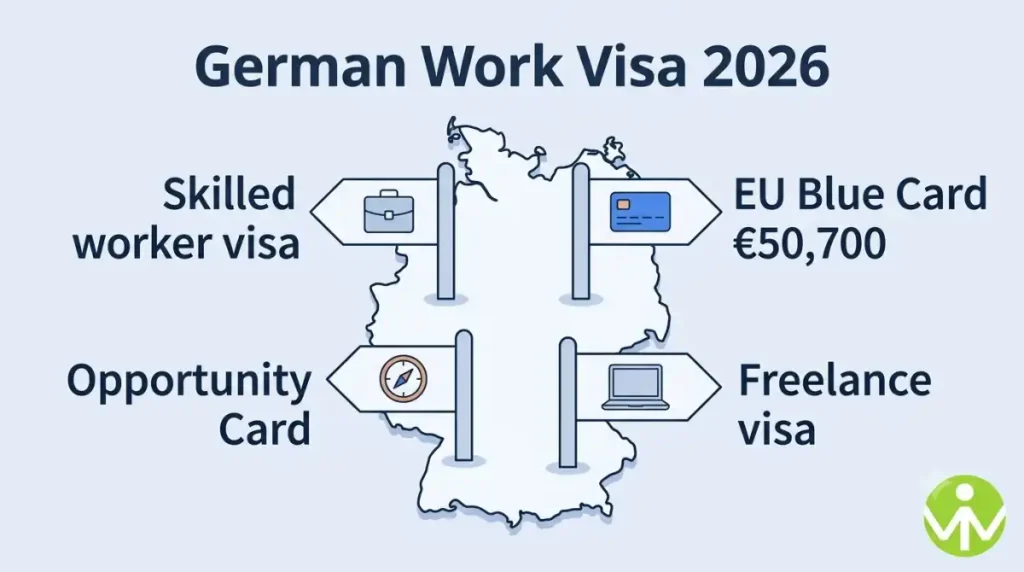
The main work routes are the EU Blue Card, which now needs a gross annual salary of €50,700, or €45,934.20 in shortage occupations and for recent graduates, and the Opportunity Card (Chancenkarte), which lets skilled workers without a job offer look for one in Germany for up to a year if their qualifications are fully recognised or they score at least six points. Our German work visa guide compares the routes, fees and documents.

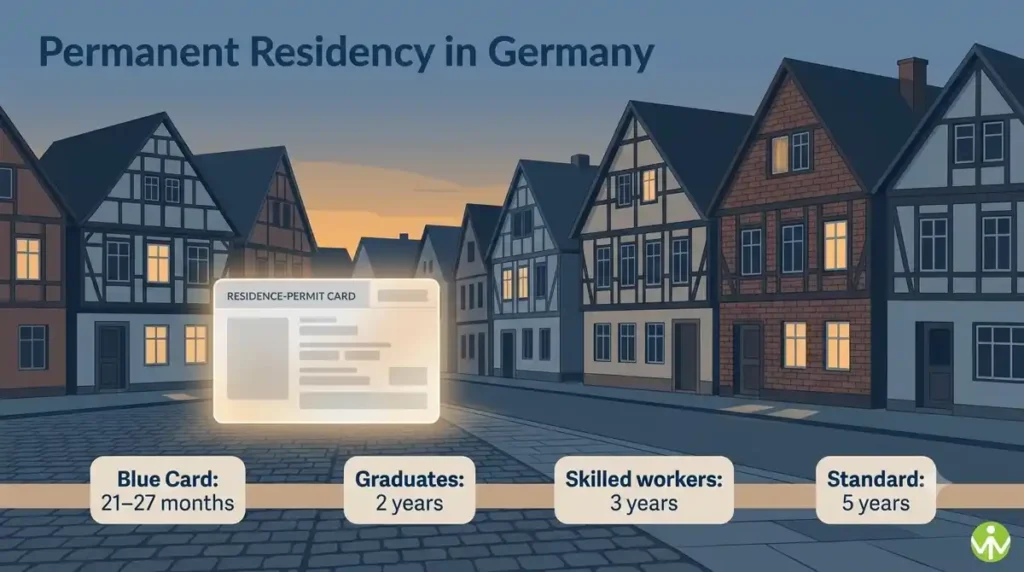
Our Germany immigration coverage also follows what comes after the visa: permanent residency, which Blue Card holders can reach in 21 to 27 months, and citizenship, which returned to a five-year minimum after the three-year fast track was abolished in late 2025.

Permanent residency in Germany: settlement permit routes from 21 months on a Blue Card to five years on the standard route

Permanent Residency in Germany: Settlement Permit Routes, Requirements and Fees

Permanent residency in Germany is granted through the settlement permit (Niederlassungserlaubnis), an unlimited residence title that lets a non-EU national live, work and run a business in Germany without renewing a permit. Most people qualify after five years, but EU Blue Card holders can apply

Permanent Residency in Germany: Settlement Permit Routes, Requirements and Fees Continue Reading »

Scroll to Top