Italy
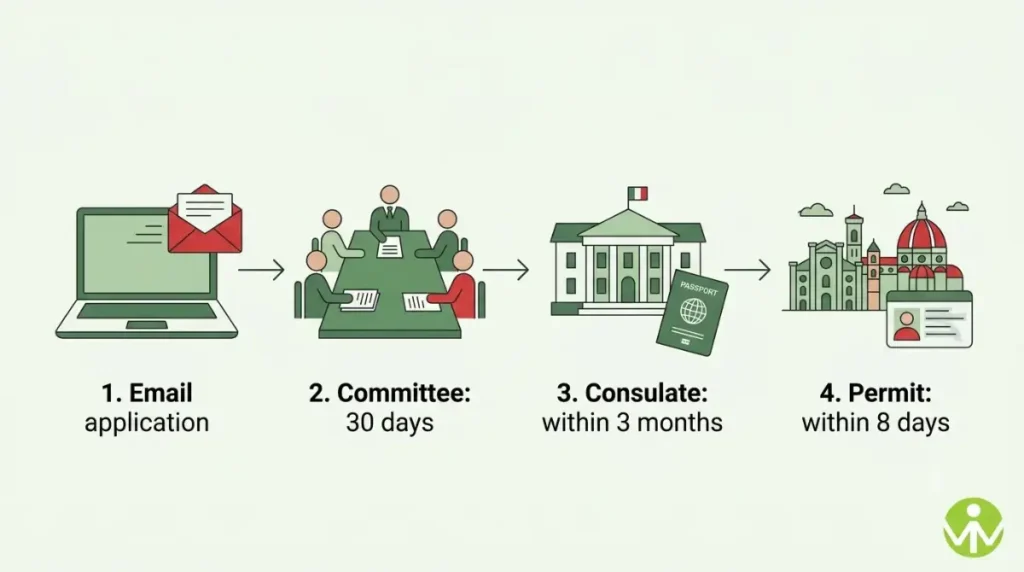
Italy immigration starts with one question: how long are you staying? Visits of up to 90 days in any 180 fall under the Schengen rules shared by 29 countries, and many nationalities need no visa at all. Anything longer needs an Italian national visa, followed by an application for a residence permit (permesso di soggiorno) within eight days of arrival.
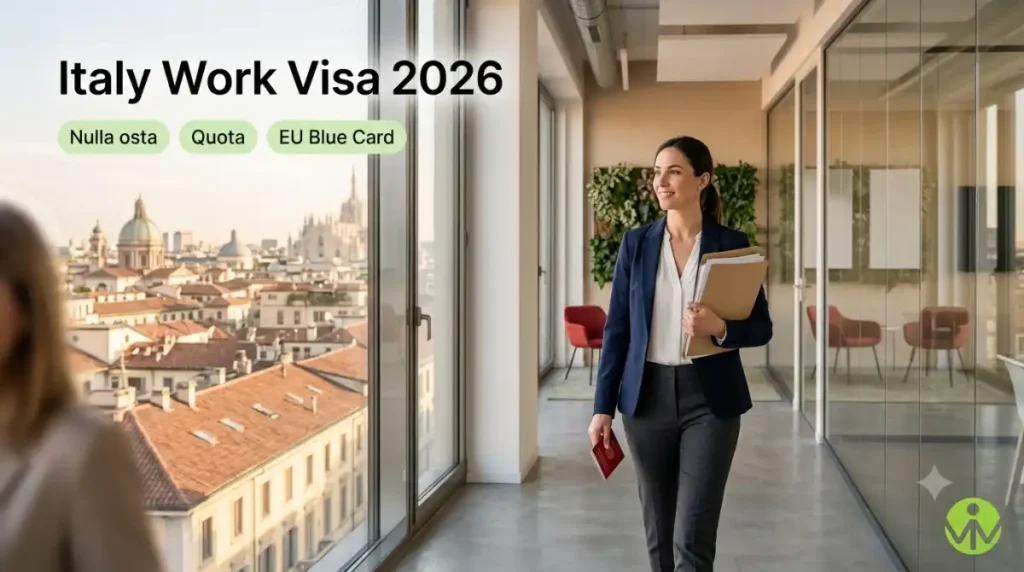
Our guide to the types of Italy visa sets out every route, from short stays to work, study, family, investor and elective residence visas, with 2026 fees. Most non-EU workers still need a place under the Decreto Flussi quotas, which now run on a three-year plan for 2026 to 2028; our Italy work visa guide explains the permit process, and the Italy student visa and Italy startup visa guides cover the other main routes.
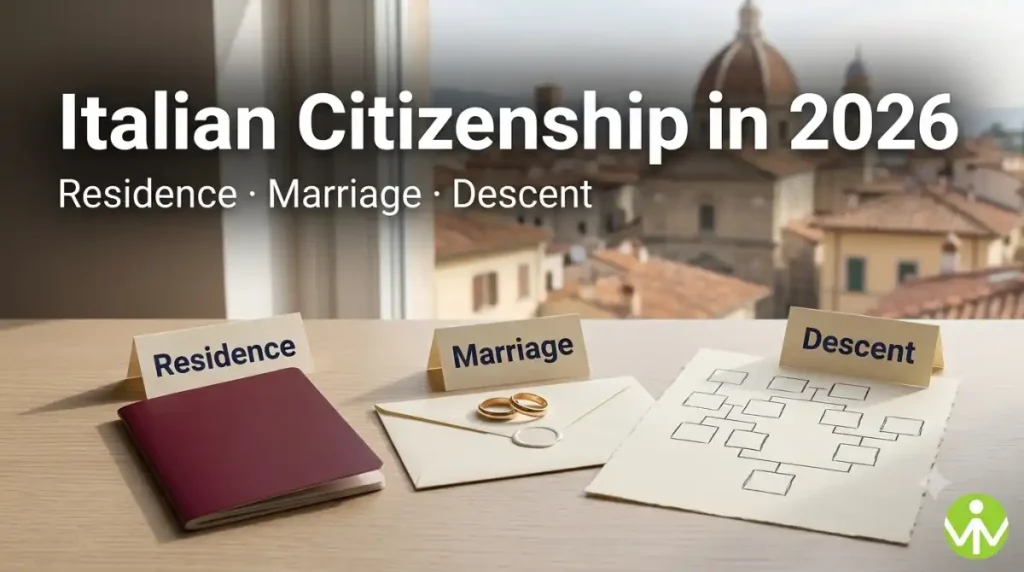
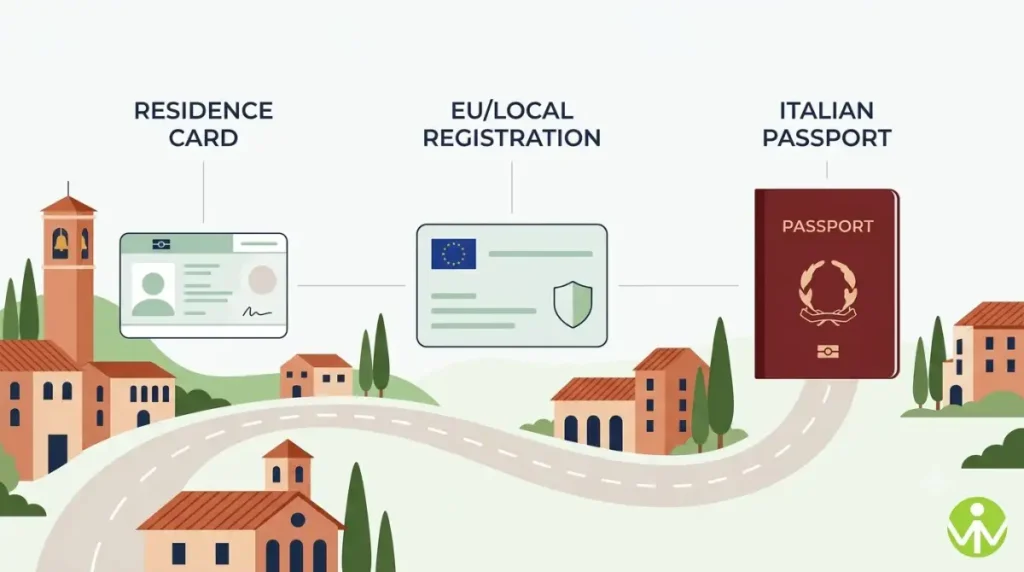
Our Italy immigration coverage also follows what comes after arrival: permanent residency and Italian citizenship, where Law 74/2025 has sharply narrowed citizenship by descent. We also track the changes that affect every visitor, including the €90 short-stay visa fee and the EU Entry/Exit System that replaced passport stamps in April 2026.
Our guide to the types of Italy visa sets out every route, from short stays to work, study, family, investor, digital nomad and elective residence visas, with 2026 fees. Most non-EU workers still need a place under the Decreto Flussi, the quota system that now runs on a three-year plan for 2026 to 2028; our Italy work visa guide explains the permit process.
Our Italy immigration coverage also tracks the changes that affect every visitor: the short-stay visa fee of €90 for adults, the EU Entry/Exit System that replaced passport stamps in April 2026, and ETIAS, the travel authorisation that still has no start date.