
One of the most sought-after visas to the USA is the family-based green card. This is the quickest way to acquire a green card and migrate to the US as a permanent resident.
If you are a citizen or a permanent resident in the USA and you wish to bring your family members to this country, you can petition the US Citizenship and Immigration Services (USCIS) for an immigrant visa.
Similar to other immigration visas, the family-based immigrant visa has various subcategories. The subdivisions are based on the relationship between the family member and the sponsor.
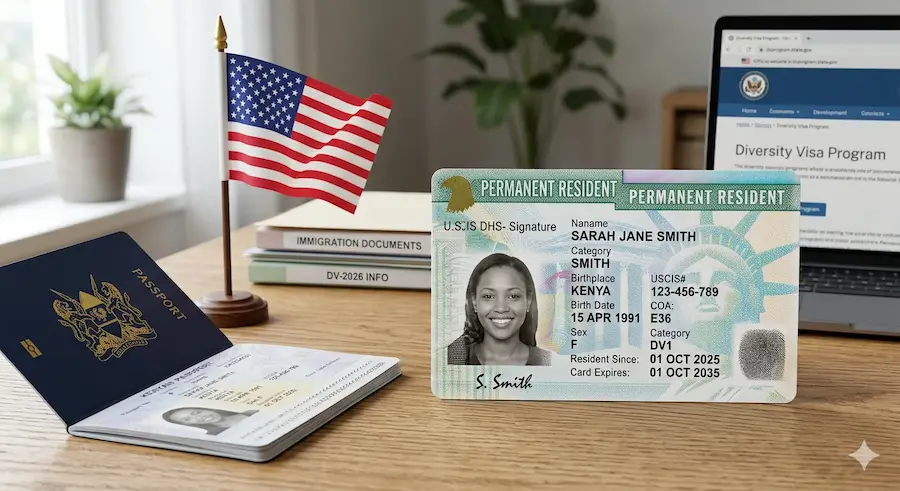
What is a Family-Based Green Card?
The family-based green card is a visa for immigration that allows a family member of the sponsor (who is either a resident or a citizen in the US) to migrate to the US. The family member can be the sponsor’s
- Spouse
- Parents
- Siblings
- Children
Distant relatives usually do not qualify. They include:
- Cousins
- Uncle/Aunt
- Grand
Parents
Once you get a family-based green card, you can migrate to the US permanently. This migrant status allows you to enjoy the following benefits.
- Get a driver’s license in the US
- Live in any state that you wish to
- Attend school/college/university in the US
- Work for an employer in the US
- Travel in and out of this country for the specific periods as permitted under this visa
- Applyfor a Citizenship if you have been successful in abiding by the laws and rules set by the US government, and after completing a specific period in the country
Different Types Of USA Family-Based Green Cards
The family based immigration visa to obtain a green card in the US has been broadly classified into two. They are
- Category for immediate relatives and
- Category for family preference
Applications for these categories are treated differently. The application procedure and processing time depend on the relationship between the sponsor and their family member (s).
Sponsor A US Citizen (Immediate Relative Visa)
If the sponsor of the family member is a US citizen, one of the following visas can be applied for.
- For a spouse – IR-1 Visa
- Unmarried children who are below 21 years of age, IR-2 Visa
- Adopted children who are from other nations- IR-3 Visa
- Adopted children living in the US who are adopted by a Citizen living here, IR-4 Visa
- Green card for the parents of the sponsor – IR-5 visa
All the above-mentioned visas belong to the Immediate Relatives visa category. There is no annual cap for these visas. The visa applications will be processed without any delay if the applicant has met all the requirements successfully.
Sponsor A Lawful Permanent Resident /Applicant A Distant Relative (Family Preference Visa)
The following visas are granted in the situations where
- The sponsor is a permanent resident in the US
- The applicant is a distant relative of the sponsor
Visa Types
- F-1 Visa – Sons/Daughters who are unmarried and minor children of the sponsor who is a US citizen
- F-2 (A) Visa- Spouse and minor children of the sponsor who is a permanent resident in the US
- F-2(B) Visa- Adult children of the lawful permanent resident
- F-3 Visa- Visa granted to the US citizens’ married children along with their spouses and children who are minors.
- F-4 Visa- Visa granted to the US citizens’ siblings, their spouses, and minor children. To apply for this visa, the US citizen has to be 21 years or older.
Requirements To Get a Family-Based Green Card in the USA
The requirements for the family-based green cards vary since there are different types of visa categories under it. This is based on the sponsor’s status in the US and the relationship to the family member.
However, there are a few requirements that are common to applicants and sponsors. They are the following.
- The sponsor must have a valid address in the US.
- Their status has to be verified- submit documents that prove their citizenship in the US or their lawful permanent residency.
- No criminal records for the applicant
- Documents proving their relationship with the sponsor (Spouse, siblings, children)
- This can include valid marriage certificates, birth certificates, etc.
Applying for a Family-Based Green Card
The application process varies by family-based immigrant visa category. In general, the proceedings are as follows.
- The sponsor (Lawful Permanent Resident/ US citizen) petitions the USCIS for the family members.
- The petition gets approved
- The family member applies to the US consulate or the US embassy within their native country
Unless the petition is approved by the US authorities, the family member cannot apply for a family-based green card.
How To File A Petition?
Given below are the steps to file for a petition.
- Form I-130 is the petition for foreign relatives
- The sponsor has to fill out all the necessary sections, and the petition must be filed with the USCIS
- Payment of fees for filing petitions
- The petition goes to the Department of Homeland Security
- Takes a few months for processing
- Once the processing is complete, the petitioner gets notified
- USCIS will give the reasons in case the petition is denied
- If the petition is approved, it goes to the NVC (National Visa Center)
- A package is sent to the applicant in a foreign land
- The package contains information and instructions for the visa applicant
- Also contains the Invoice number and case number
- These numbers are necessary to start the procedure for the application to the US consulate/US Embassy in a foreign land
Applying For The Visa
There is no annual cap for the Immediate Relative Visa, so the applicant can start the process in their country without waiting. However, the applicant has to wait till they reach their turn in the priority list if they’ve applied for a Family Preference Visa. This visa has an annual cap.
The following are the important steps to follow for applying for a family-based immigrant visa.
- Duly fill the DS-260 form and submit it
- The confirmation number that you receive must be attached to the supporting documents
- Complete the medical examination and take the necessary vaccines prescribed
- Attach the poof, along with all the other documents
- Attach all the necessary supporting documents
- Attend the interview at a US Embassy/ US Consulate within the applicant’s country
- Once the visa has been approved, they get a visa stamp in their passport
- The applicant also receives a package from the NCV
- The package must remain unopened, and they have to submit the package at the entry point in the US (To the immigration officials)
The Supporting Documents To Be Attached
- A valid passport
- Affidavit of support from the sponsor in the US
- Form I-864 duly signed
- Confirmation page after filing Form DS-260
- Proof of medical examination and vaccination
- Photographs of each applicant- Two US Visa photos each
- Police clearance certificates/ No criminal records certificate
- Military records for those who have served in the military
Fees
There are various fees involved while applying for a family-based immigrant visa.
- Fee for filing Form I-130
- Processing fee for the DS-260 form
- Fee for translation of supporting documents
- Fee for medical examination and vaccination
- USCIS fee for immigrants
Getting A Green Card In The US
Once the applicant has moved and started living in the US with the family-based immigrant visa, he/she has to complete the following procedure
- File Form I-485 at the USCIS
- Application to adjust status/ register as a permanent resident
The application is processed, and once approved, the applicant receives the green card by mail within a few weeks.
Waiting List For Family-Based Green Cards To The US – Interesting Statistics
More than four million people from all over the world are currently on the waiting list for family-based green cards to the US.
The latest official data show that around 2,27,000 people from India are either waiting for their green cards or for LPR (Legal Permanent Residency) in the US.
USA Family-Based Green Cards – Waiting List Statistics
| Rank | Country | Number Of People In The Waiting List |
|---|---|---|
| 1 | Mexico | 1,500,000 |
| 2 | India | 227,000 |
| 3 | China | 180,000 |
As of November 2019. Source: Homeland Security.
The majority of applicants in the family-based green card waiting list are siblings of the sponsor living in the US.
The largest number of people who are on the waiting list for family-based green cards to the US are from Mexico. There are almost 1.5 million applicants from this country on the waiting list.
Mexico is followed by our country, India, with 2,27,000 people. China ranks 3rd, with almost 180,000 people on the waiting list.
Remember, there may be a limit on the number of visas issued each year. This depends on the family-based immigrant visa category chosen by the applicant.
The visas are processed in the order in which applications are received. If there is an annual cap and you’ve failed to apply in time, you’ll have to wait for your turn in the following year.