
The cost of living in New Zealand is among the highest in the Asia-Pacific region, shaped by the country’s remote geography, strong demand for housing, and reliance on imported goods. Whether you are planning to study, work, or settle permanently, understanding what daily life actually costs will help you budget realistically and avoid surprises.
This guide covers housing, food, transport, utilities, and overall monthly budgets for different household types, with current figures drawn from government data, Statistics New Zealand (Stats NZ), and market sources updated to mid-2026.
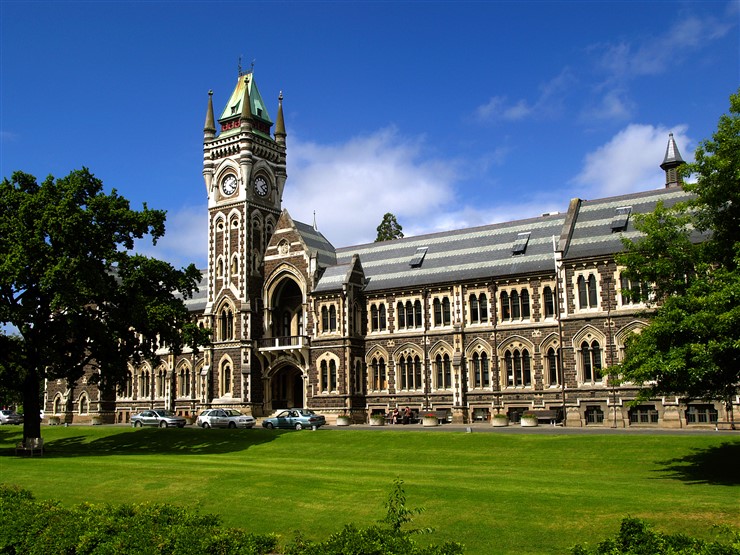
Table of Contents
Cost of Living in New Zealand: The Big Picture
New Zealand consistently ranks in the upper tier of OECD countries for living costs. Prices are higher than in roughly 70% of countries globally, but they come alongside strong public services, low crime rates, and a high quality of life. The country’s island geography means many goods — particularly electronics, vehicles, and some foodstuffs — are more expensive than in larger, better-connected economies.
Salaries generally reflect this: the median full-time weekly earnings in New Zealand are approximately NZ$1,350–NZ$1,400 per week (around NZ$70,000–NZ$72,800 per year) as of late 2025, according to Stats NZ. The adult minimum wage rose to NZ$23.95 per hour in April 2026. A single professional earning the median wage will typically spend 30–40% of take-home pay on rent alone in a major city.
Those earnings matter beyond budgeting. New Zealand’s skilled residence rules are pegged to a wage threshold — NZD $35.00 an hour from 9 March 2026 — and the New Zealand Skilled Migrant Visa sets its pay bars as multiples of it, from the base rate up to three times for the top points band.
The three largest expense categories for most residents are: rent or mortgage payments; groceries and daily food costs; and transport, particularly if car ownership is necessary.
Housing Costs: Rent by City
Rent is the single largest monthly outgoing for most people in New Zealand. A quirk worth knowing: rents here are advertised weekly rather than monthly. To convert, multiply the weekly figure by 52 and divide by 12.
Auckland is the most expensive city for housing, followed closely by Wellington. Christchurch, Dunedin, and smaller regional centres offer meaningfully lower rents without sacrificing basic amenities.
| City | 1-bed apartment (city centre) | 3-bed house (city/suburbs) | Median weekly rent (all types) |
|---|---|---|---|
| Auckland | NZ$2,170–NZ$2,820/month | NZ$3,250–NZ$3,880/month | ~NZ$650/week |
| Wellington | NZ$2,000–NZ$2,600/month | NZ$2,800–NZ$3,400/month | ~NZ$615–NZ$650/week |
| Christchurch | NZ$1,600–NZ$2,000/month | NZ$2,200–NZ$2,600/month | ~NZ$560–NZ$592/week |
| Dunedin | NZ$1,300–NZ$1,700/month | NZ$1,800–NZ$2,200/month | ~NZ$480–NZ$520/week |
| Hamilton / Tauranga | NZ$1,600–NZ$2,000/month | NZ$2,200–NZ$2,700/month | ~NZ$530–NZ$570/week |
Note: Average price in New Zealand Dollars (NZD)
Auckland’s median weekly rent sat at around NZ$650 in late 2025, while Wellington hovered at NZ$615–NZ$650. Christchurch has seen relatively flat rent growth: the average weekly rent across all property types is approximately NZ$580–NZ$592, making it notably more affordable for comparable property sizes.
In regional cities such as Hamilton, Palmerston North, and Invercargill, rents can be 20–35% lower than Auckland. These areas appeal particularly to families, students, and skilled workers who do not need to be in a main metropolitan hub.
Food and Grocery Costs
Grocery shopping in New Zealand costs more than in many comparable English-speaking countries. A 2024 study by Edith Cowan University comparing food prices across Australia, the UK, Ireland, and New Zealand found New Zealand to be the most expensive for grocery shopping of the four. The country’s relatively small population base and long supply chains for imported produce drive prices up.
For a single person doing their own cooking, a reasonable weekly grocery budget at a budget supermarket (PAK’nSAVE is the lowest-cost main chain) is NZ$100–NZ$150. At mid-range chains such as Countdown (now Woolworths NZ) or New World, expect to spend NZ$130–NZ$180 per week for the same basket.
Eating out regularly adds up quickly. A casual café meal runs NZ$25–NZ$40 per person, a flat white coffee NZ$5–NZ$7, and a fast food combo NZ$12–NZ$18.
Transport Costs in New Zealand
Public Transport
Auckland, Wellington, and Christchurch all have bus networks, and Auckland and Wellington offer commuter rail and ferry services. Fares vary by zone, but a single trip typically costs NZ$3.50–NZ$8. Monthly passes range from around NZ$120–NZ$160 in Christchurch (Metrocard) to NZ$180–NZ$250 in Auckland (AT HOP) and NZ$150–NZ$220 in Wellington (Snapper card).
Outside the main centres, public transport is limited. Regional towns typically have infrequent bus services only, and many residents rely on private vehicles.
Owning a Car
Petrol in New Zealand costs approximately NZ$2.30–NZ$2.70 per litre (mid-2026), or roughly NZ$7–NZ$10 per gallon equivalent. For regular commuters, weekly fuel spending ranges from NZ$40–NZ$100+ depending on distance and vehicle. Beyond fuel, car ownership involves annual Warrant of Fitness (WoF) and registration fees (combined approximately NZ$500 per year), insurance (NZ$80–NZ$200 per month depending on driver history), and maintenance.
A decent used car typically costs NZ$6,000–NZ$18,000 to purchase, and financing costs add NZ$300–NZ$800 per month. For households outside a main city, a car is effectively a necessity.
Utilities, Internet, and Mobile
New Zealand generates the majority of its electricity from renewable sources — predominantly hydro, geothermal, and wind. Despite this, electricity is not cheap for consumers. Residential rates reached approximately NZ$0.39 per kWh in December 2025 (Ministry of Business, Innovation and Employment data), driven partly by distribution network upgrades. The average household electricity bill runs NZ$150–NZ$250 per month, rising to NZ$250–NZ$350 in winter when heating demand peaks.
Fibre broadband is widely available in urban areas, with monthly plans ranging from NZ$60–NZ$110 depending on speed and provider. Major providers include Spark, Vodafone, and 2degrees. Mobile phone plans (SIM-only) cost NZ$20–NZ$60 per month.
Water and waste collection in New Zealand is typically included in council rates — these are not usually separate bills for renters, as landlords include them in the cost of the tenancy or pay them separately.
Healthcare Costs
New Zealand operates a publicly funded healthcare system. Legal residents — including holders of most work visas and student visas — are eligible for publicly funded GP visits and hospital care, though GP consultation fees are not fully subsidised for all residents and typically run NZ$20–NZ$50 per visit (reduced rates for enrolled patients). Prescription charges are capped at NZ$5 per item for most funded medicines.
Private health insurance is widely used to supplement public coverage, particularly for elective procedures and specialist appointments. Basic individual plans start from around NZ$50–NZ$150 per month depending on age and coverage level.
Monthly Budget: Cost of Living in New Zealand by Household Type
The table below consolidates typical monthly costs for three common household profiles in a main New Zealand city. Figures assume mid-range spending habits and city-level rents. Costs in regional areas are generally 15–30% lower.
| Expense category | Single person (city) | Couple (city) | Family of four (city) |
|---|---|---|---|
| Rent | NZ$1,300–NZ$2,200 | NZ$1,800–NZ$3,000 | NZ$2,500–NZ$4,000 |
| Groceries | NZ$400–NZ$600 | NZ$700–NZ$1,000 | NZ$1,200–NZ$1,800 |
| Transport (public) | NZ$120–NZ$200 | NZ$240–NZ$400 | NZ$300–NZ$500 |
| Utilities (power, water, gas) | NZ$150–NZ$250 | NZ$200–NZ$350 | NZ$300–NZ$500 |
| Internet & mobile | NZ$80–NZ$130 | NZ$100–NZ$160 | NZ$130–NZ$200 |
| Healthcare / insurance | NZ$50–NZ$150 | NZ$100–NZ$250 | NZ$200–NZ$400 |
| Dining out / entertainment | NZ$200–NZ$400 | NZ$350–NZ$600 | NZ$500–NZ$800 |
| Childcare / education | — | — | NZ$500–NZ$1,500 |
| Estimated monthly total | NZ$2,300–NZ$3,930 | NZ$3,490–NZ$5,760 | NZ$5,630–NZ$9,700 |
These ranges are broad because location makes a significant difference. A single person renting in Dunedin with a car can live on NZ$2,500–NZ$3,200 per month. The same person in central Auckland would realistically need NZ$3,800–NZ$4,500.
Key Everyday Prices at a Glance
| Item | Typical cost (NZD) | Notes |
|---|---|---|
| Flat white coffee | NZ$5–NZ$7 | Cafe standard |
| Fast food meal | NZ$12–NZ$18 | e.g. McDonald's combo |
| Casual restaurant (per person) | NZ$25–NZ$40 | Excludes drinks |
| Supermarket groceries (weekly, 1 person) | NZ$100–NZ$150 | PAK'nSAVE is cheapest |
| Single bus / train trip | NZ$3.50–NZ$8 | Varies by city and zone |
| Monthly public transport pass | NZ$120–NZ$250 | Christchurch cheapest, Wellington/Auckland more |
| Petrol (per litre) | NZ$2.30–NZ$2.70 | Approx. NZ$7–NZ$10/gallon equivalent |
| Monthly electricity bill (household) | NZ$150–NZ$250 | Higher in winter; avg ~NZ$200 |
| Broadband internet (monthly) | NZ$60–NZ$110 | Fibre plans widely available |
| Mobile phone plan (monthly) | NZ$20–NZ$60 | SIM-only; major providers Spark, Vodafone, 2degrees |
| Gym membership (monthly) | NZ$40–NZ$90 | City gym standard |
Most Affordable vs Most Expensive Cities
Auckland and Wellington are the benchmark cities for high costs. Queenstown, despite being smaller, is often comparable to Auckland in some expense categories due to tourism-driven pricing.
Dunedin, Invercargill, New Plymouth, and Palmerston North consistently offer lower living costs — particularly for rent — without sacrificing access to essential services. These cities are popular with students (Dunedin in particular, given the University of Otago) and families seeking a lower overall cost base.
If you are weighing which city to move to, pairing the rent data above with likely salary levels in your field is more informative than national averages alone. Wages in Auckland are typically 10–15% higher than in smaller cities, which partially offsets the higher rent.
Wages and Income Context
Understanding how living costs sit against typical wages matters as much as the raw figures. The adult minimum wage in New Zealand is NZ$23.95 per hour from April 2026 (up from NZ$23.50 in 2025). The median full-time weekly wage is approximately NZ$1,350–NZ$1,400, or NZ$70,200–NZ$72,800 annually, based on the most recent Stats NZ Household Labour Force Survey data.
Average gross monthly salary across all workers is around NZ$5,667, though this is skewed upward by high earners. For practical budgeting, the median figure is more useful. After PAYE income tax and ACC levy, take-home pay at the median level is roughly NZ$4,400–NZ$4,700 per month.
If you are planning to work in New Zealand, understanding the Types of New Zealand Visa that permit work rights is an important first step. For those aiming to settle long-term, the pathway to Permanent Residence in New Zealand outlines residency requirements and timelines.
Cost of Living for Students
International students in New Zealand face the full retail cost for most goods and services, though student cards do provide discounts at some shops, transport, and entertainment venues. Immigration New Zealand recommends international students budget a minimum of NZ$15,000–NZ$20,000 per year for living expenses excluding tuition, though this is a conservative floor — real costs in Auckland or Wellington are typically higher.
Shared accommodation is the norm for students: renting a room in a flat typically costs NZ$250–NZ$450 per week in Auckland or Wellington. University halls of residence run NZ$300–NZ$600 per week including meals. Christchurch, Hamilton, and Dunedin are considerably cheaper, making them popular choices for cost-conscious students.
If you are an international student earning part-time income, your tax obligations are important to understand early. Our guide to tax filing in New Zealand for international students covers how income tax works for student visa holders.
Frequently Asked Questions
How much money do you need to live comfortably in New Zealand?
A single person typically needs NZ$3,500–NZ$4,500 per month (all-in, including rent) in a main city such as Auckland or Wellington. In a smaller city like Christchurch or Dunedin, NZ$2,800–NZ$3,500 per month is more realistic for a comfortable lifestyle. A couple should budget NZ$5,500–NZ$8,000 per month depending on location, and a family of four typically needs NZ$7,000–NZ$10,000 per month.
Is New Zealand more expensive than Australia?
For groceries, New Zealand is generally considered more expensive than Australia — a point borne out by cross-country price comparisons. For housing, it depends on the city: Sydney and Melbourne rents are comparable to or higher than Auckland, but many Australian cities are cheaper than their New Zealand counterparts for similar property sizes. Utilities and petrol are broadly similar across both countries.
How much does rent cost in New Zealand per month?
Rents vary significantly by city. For a one-bedroom apartment in a city centre, expect to pay NZ$2,170–NZ$2,820 per month in Auckland, NZ$2,000–NZ$2,600 in Wellington, and NZ$1,600–NZ$2,000 in Christchurch. New Zealand rents are advertised weekly — multiply by 52 and divide by 12 to get the monthly equivalent.
What is the minimum wage in New Zealand in 2026?
The adult minimum wage in New Zealand is NZ$23.95 per hour from April 2026, an increase from NZ$23.50 in 2025. The starting-out and training minimum wage rates (applying to certain workers under 20 and trainees) are set at 80% of the adult rate. Minimum wages are reviewed annually by the government, typically taking effect on 1 April.
Are groceries expensive in New Zealand?
Yes — New Zealand has some of the highest grocery prices among OECD countries. A single person cooking at home should budget NZ$100–NZ$150 per week at a budget supermarket, or NZ$130–NZ$180 at mid-range chains. Imported goods, fresh produce, and some packaged foods are notably more expensive than in the UK, Australia, or Canada. Shopping at PAK’nSAVE and buying seasonal, locally grown produce are the most effective ways to reduce grocery costs.
Is healthcare free in New Zealand for immigrants?
Most legal residents — including those on eligible work and student visas — qualify for publicly funded healthcare in New Zealand. Hospital treatment through the public system is free for eligible residents. GP (general practitioner) visits are subsidised but not free: enrolled patients typically pay NZ$20–NZ$50 per visit. Prescription medicines are funded by Pharmac, with a NZ$5 co-payment per item. Private health insurance is commonly used for faster access to specialists and elective procedures.
Which is the cheapest city to live in New Zealand?
Among main cities, Christchurch and Dunedin consistently offer the lowest living costs — particularly for rent. Invercargill and several regional centres such as Whanganui and Gisborne are even cheaper, though job markets in those areas are more limited. Christchurch combines relatively affordable living with a full range of urban amenities, making it a popular choice for newcomers seeking value without sacrificing city infrastructure.
Sources:
Statistics New Zealand (Stats NZ), MBIE Quarterly Employment Survey 2025, MBIE Quarterly Survey of Domestic Electricity Prices May 2025, Trade Me Rental Price Index December 2025, Opes Partners Rental Market Analysis February 2026, Employment New Zealand minimum wage announcement April 2025, Numbeo New Zealand Cost of Living June 2026.
Disclaimer: This article is for general informational purposes only. Living costs change over time and vary significantly depending on personal lifestyle, location, and household size. Figures should be used as a guide only. For the most current data, consult Stats NZ, MBIE, and local rental market platforms.