
The number of people migrating to Australia as permanent residents, on work visas, or as students is rising every year. Do you want to know the cost of living in Australia?
The country is known for its perfect weather, a generally relaxed lifestyle, diverse landscapes, beautiful nature, high standards of working conditions, and vibrant, multicultural city life.
No wonder Australia is one of the top choices for students and expats.
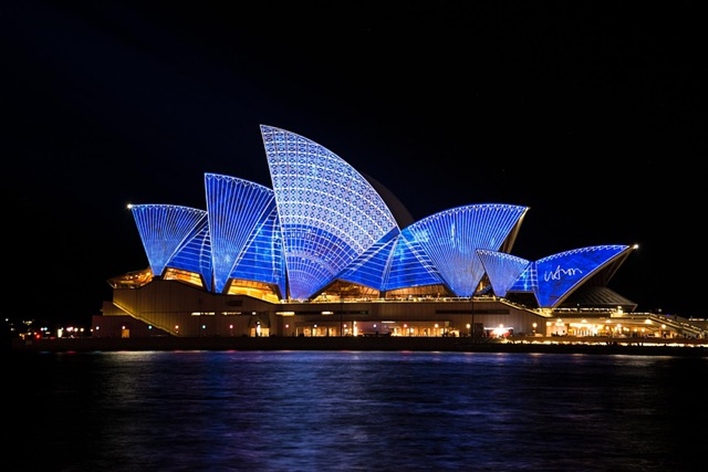
The continent is famous for sand, surfing, and sun, which makes it quite popular among people who’ve lived in cold climates most of their lives. Australia ranks 12th on the list of nations with the highest cost of living in the world.
The cost of living in Australia is higher than in the United States but lower than in London. However, the cost of living is determined by the city, town, suburbs, state, and territory in which you choose to live in Australia.
Opting to live in a quiet town or suburb can bring about a major difference in the cost of living. This means you can save a significant portion of the income you earn in Australia.
Whether you are moving to Australia as a permanent resident, student, or employee, you need to have a clear understanding of how much it will cost to move there and what the cost of living is in each place.
Below are some of the major factors that determine the cost of living across different places in Australia.
Cost Of Living In Australia – Renting And Housing In Australia
Sydney, Melbourne, Perth, and Adelaide are the most popular cities for people to migrate to in Australia. Hence, these cities remain the most expensive in terms of the cost of living in Australia.
A major portion of the cost of living in this country consists of rent and other housing costs, as in any other country.
Sydney is the most expensive area in Australia. Renting a fully furnished apartment in an expensive area in Sydney could cost you around 2,800-3,500 AUD (Australian Dollars) per month.
This could go down to somewhere between 1,700 and 2,600 AUD if you choose to live in a normal or less expensive area. Sydney is followed by Melbourne, where you would pay up to 2550 AUD in an expensive area and just below 2000 AUD in a less expensive area.
Rent is lower in places like Perth, Adelaide, Brisbane, Canberra, and Darwin. It could be anywhere between 1,000 AUD and 1,700 AUD. Opting for a quiet suburb or town could help you cut down on rent and residential costs.
Rent In Different Places in Australia
| City | Type Of House | Monthly Rent In Expensive Area In AUD | Monthly Rent In Normal Area In AUD |
|---|---|---|---|
| Sydney | 85m2/900 Sq. feet | Up to 3450 | Up to 2,800 |
| 45 m2/480 Sq. feet | Up to 2,650 | Up to 1,700 | |
| Melbourne | 85m2/900 Sq. feet | Around 2,500 | Around 2,000 |
| 45 m2/480 Sq. feet | Around 2,100 | Around 1,500 | |
| Perth | 85m2/900 Sq. feet | Around 2,050 | Around 1,650 |
| 45 m2/480 Sq. feet | Around 1,700 | Around 1,200 | |
| Brisbane | 85m2/900 Sq. feet | Around 2,270 | Around 1,950 |
| 45 m2/480 Sq. feet | Around 2,000 | Around 1,500 | |
| Adelaide | 85m2/900 Sq. feet | Around 1,850 | Around 1,600 |
| 45 m2/480 Sq. feet | Around 1,500 | Around 1,000 | |
| Darwin | 85m2/900 Sq. feet | Around 2,550 | Around 1,800 |
| 45 m2/480 Sq. feet | Around 1,950 | Around 1,450 | |
| Gold Coast | 85m2/900 Sq. feet | Around 2,600 | Around 2,050 |
| 45 m2/480 Sq. feet | Around 1,600 | Around 1,250 | |
| Canberra | 85m2/900 Sq. feet | Around 2,500 | Around 2,050 |
| 45 m2/480 Sq. feet | Around 2,150 | Around 1,600 |
Utility Charges
In addition to rent, a person is also expected to pay utility charges every month. This is also a part of residential costs.
For a 900 sq. ft., utility charges, which include heating, lighting, and gas, could reach 200 AUD per month.
For a smaller house, which is around 480 sq. ft., it could cost you somewhere up to 170-175 AUD as utility charges.
| City | Utility Charges In AUD |
|---|---|
| Sydney | Around 245 |
| Melbourne | Around 255 |
| Perth | Around 327 |
| Brisbane | Around 190 |
| Adelaide | Around 386 |
| Darwin | Around 320 |
| Gold Coast | Around 130 |
| Canberra | Around 232 |
Medical Health Care Cost In Australia
Australia is well known for its excellent healthcare system. If you are migrating to Australia as a permanent resident, you are entitled to Medicare, which covers most of your medical expenses in Australia. Payments to Medicare is taken from your taxes.
However, you’ll have to apply for a private health insurance claim to cover dental care and specialist treatments. Students and employees need to apply for private health insurance unless they are tax-paying citizens of Australia.
For private health care insurance, the amount you have to pay depends on what you wish to cover and where you live in Australia. On average people in Australia pay around 2,000 AUD for additional private health care insurance every year.
Expats from certain countries can access Medicare-funded treatment because Australia has reciprocal health agreements with those countries.
The countries are Ireland, Italy, New Zealand, Sweden, Malta, Norway, the Netherlands, Finland, and the United Kingdom.
| City | Doctor’s Fee In AUD | Cost Of Anti Biotics In AUD | Cost Of Medicine For Cold In AUD |
|---|---|---|---|
| Sydney | 70 | 16 | 11 |
| Melbourne | 77 | 19 | 16 |
| Perth | 75 | 17 | 9 |
| Brisbane | 70 | 20 | 9 |
| Adelaide | 59 | 17 | 9 |
| Darwin | 71 | 21 | 11 |
| Gold Coast | 64 | 17 | 8 |
| Canberra | 82 | 20 | 8 |
Cost Of Fitness And Entertainment
For people who love fitness and regular workouts, a monthly membership in a gym would cost around 65-80 Australian dollars on average. Considering Australia has good weather most of the year, outdoor fitness training is also quite popular.
The price of recreational activities or entertainment may seem a bit high for people who have moved from developing nations. Compared to what you pay in Europe or the USA, it is almost the same or even less. Movie tickets for two could be anywhere between 32 and 36 AUD.
A musical or dance performance or a play in a theatre could cost you more than 200 AUD. For entertainment at home, you could subscribe to Pay TV with one of the service providers in Australia (On average, it could cost you around 25 AUD).
You can also opt for a monthly package of internet-based online streaming services, which could cost you anywhere between 12 and 15 AUD on average.
| City | Approx. Gym Membership In AUD | Approx. Movie Ticket In AUD For 2 | Approx. Ticket For Theatre Performance In AUD For 2 | Pay TV In AUD (Basic Packages) |
|---|---|---|---|---|
| Sydney | 80 | 38 | 215 | 25 |
| Melbourne | 75 | 39 | 280 | 25 |
| Perth | 47 | 35 | 190 | 25 |
| Brisbane | 70 | 32 | 217 | 25 |
| Adelaide | 77 | 28 | 172 | 25 |
| Darwin | 88 | 37 | 118 | 25 |
| Gold Coast | 65 | 40 | 181 | 25 |
| Canberra | 57 | 33 | 186 | 25 |
Cost Of Living In Australia – How Much You Should Pay For Food?
A person living in Australia would have to spend an average of 250-350 AUD on food and groceries. The price could go up or down depending on the city you live in.
You may have to pay more in cities like the Gold Coast, Sydney, and Hobart. Food prices would be lower in Brisbane and Perth. The price for food items would be less if you choose to buy them from chain stores or supermarkets.
The cost of eating out depends on the type of restaurant you choose and the city or town you live in. A basic meal in Australia could cost you somewhere between 15 and 20 AUD.
That could go up to 50 AUD or more, depending on the restaurant’s quality. Eating a meal at a fast food chain like McDonald’s or Subway could cost you somewhere between 8 and 15 AUD.
A cup of coffee (takeaway) could cost you somewhere between 4 and 5 AUD on average, and you’d be paying 5 AUD for half a litre of beer (domestic).
| City | Food And Grocery Charges For One Month (Average) In AUD | Cost Of A Basic Meal In AUD | Meal At A Fast Food Chain In AUD | Dining In AUD Per Person |
|---|---|---|---|---|
| Sydney | 320 - 350 | 16 | 12 | 50 - 250 |
| Melbourne | 290 – 360 | 20-25 | 9.50 - 12 | 70 - 375 |
| Perth | 200 -250 | 20 | 11 | 60 - 150 on |
| Brisbane | 280 – 355 | 16 | 12 | 70 - 150 |
| Adelaide | 360 | 15 | 10 | 55 - 300 |
| Darwin | 370 | 17 | 13 | 50 - 155 - |
| Gold Coast | 400 | 18 | 13 | 40-45 |
| Canberra | 370 | 18 | 11 | 55 -125 |
Cost Of Transportation In Australia
Australia is famous for its well-organised and cheap public transport system. Train, bus, and ferry services are available through the public transport system.
You need to purchase a travel card to travel on public transport. You can add credits to the travel card and travel anywhere in the city without having to worry about paying money.
You need to purchase an Opal card in Sydney, a Myki card in Melbourne, and a Go card in Brisbane. When you compare prices with those in the public transportation systems in New York, London, or Germany, public transportation in Australia is much cheaper.
The public transport system in Australia gives you more miles at a much cheaper cost. Besides, you can also use the tram services in Melbourne and the light train system in Sydney to commute. These are operated by both government and private services.
To travel to and from the airport, you can opt for the airport line train services in Brisbane and Sydney or the Skybus service in Melbourne. This is much cheaper than hiring a cab or driving your own private vehicle.
Taxi services are quite expensive in Australia. If you choose to drive your own car, it could cost you 1.40 AUD for 1 litre of unleaded petrol. The price of diesel is higher in Australia. 1 litre of diesel costs 1.55 AUD at present.
| City | Public Transport Charges (Average) In AUD |
|---|---|
| Sydney | 175 |
| Melbourne | 150 |
| Perth | 110 |
| Brisbane | 132 |
| Adelaide | 85 |
| Darwin | 77 |
| Gold Coast | 121 |
| Canberra | 147 |
Just like anywhere in the world, the cost of living in Australia largely depends on the city you choose to live. Living in cities like Sydney, Melbourne, or Canberra would cost you more.
You can significantly reduce your living costs if you choose to live in a quiet town or rural area. Once you know the exact location in Australia to which you are planning to migrate it will be easier for you to prepare a budget.