Germany Immigration

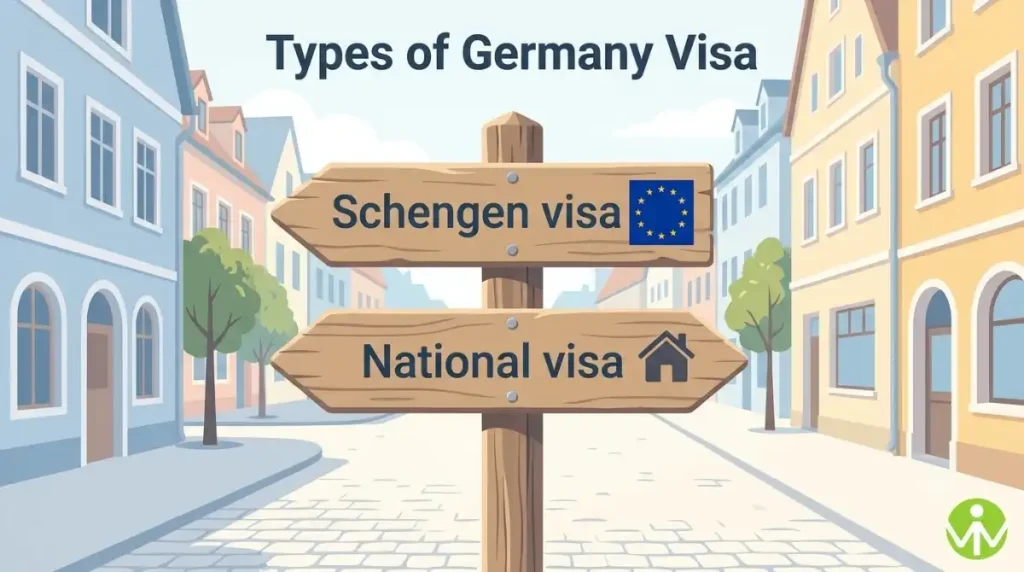
Most people who move to Germany from outside the EU follow the same two-step path: a national (Type D) visa from a German mission before travel, then a residence permit from the local foreigners’ office (Ausländerbehörde) after arrival. Short visits work differently. Trips of up to 90 days in any 180-day period fall under the Schengen rules, and many nationalities need no visa at all for them.

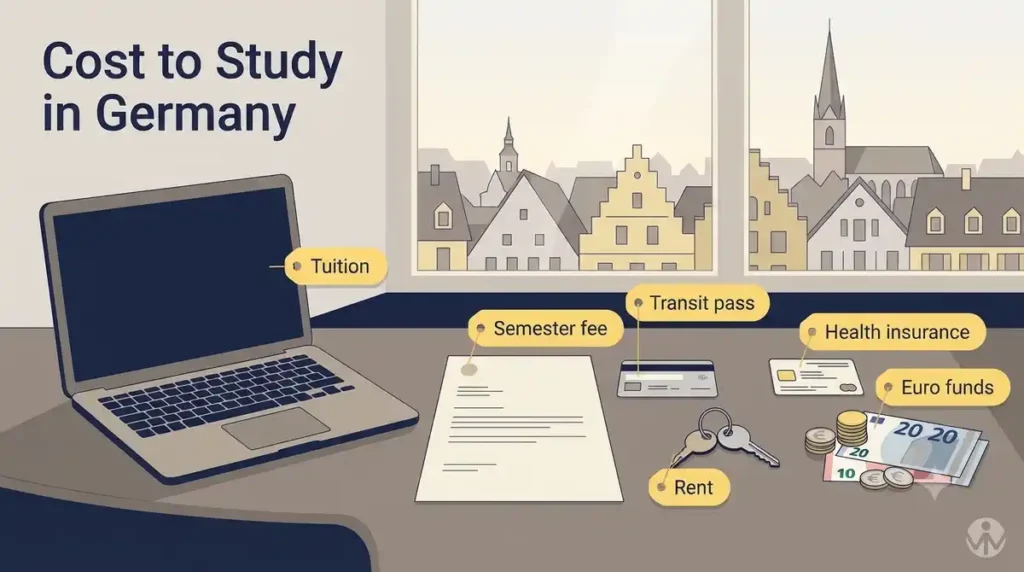
This archive gathers our Germany guides in one place, starting with the types of Germany visa overview. Each long-stay route has its own conditions: skilled work and the EU Blue Card, study at a German university with proof of funds for living costs, and family reunion for spouses and children joining someone already living in Germany. Further on, the settlement permit offers permanent residence, after as little as 21 months for some Blue Card holders.

If you are working out how to move to Germany, start with the guide that matches your reason for going.

Scroll to Top